Careem’s Brand Evolution:
From Scepticism to Everyday Trust
Before a brand becomes a habit, it often has to become an idea people are willing to try. Careem’s perception journey is a compelling example.
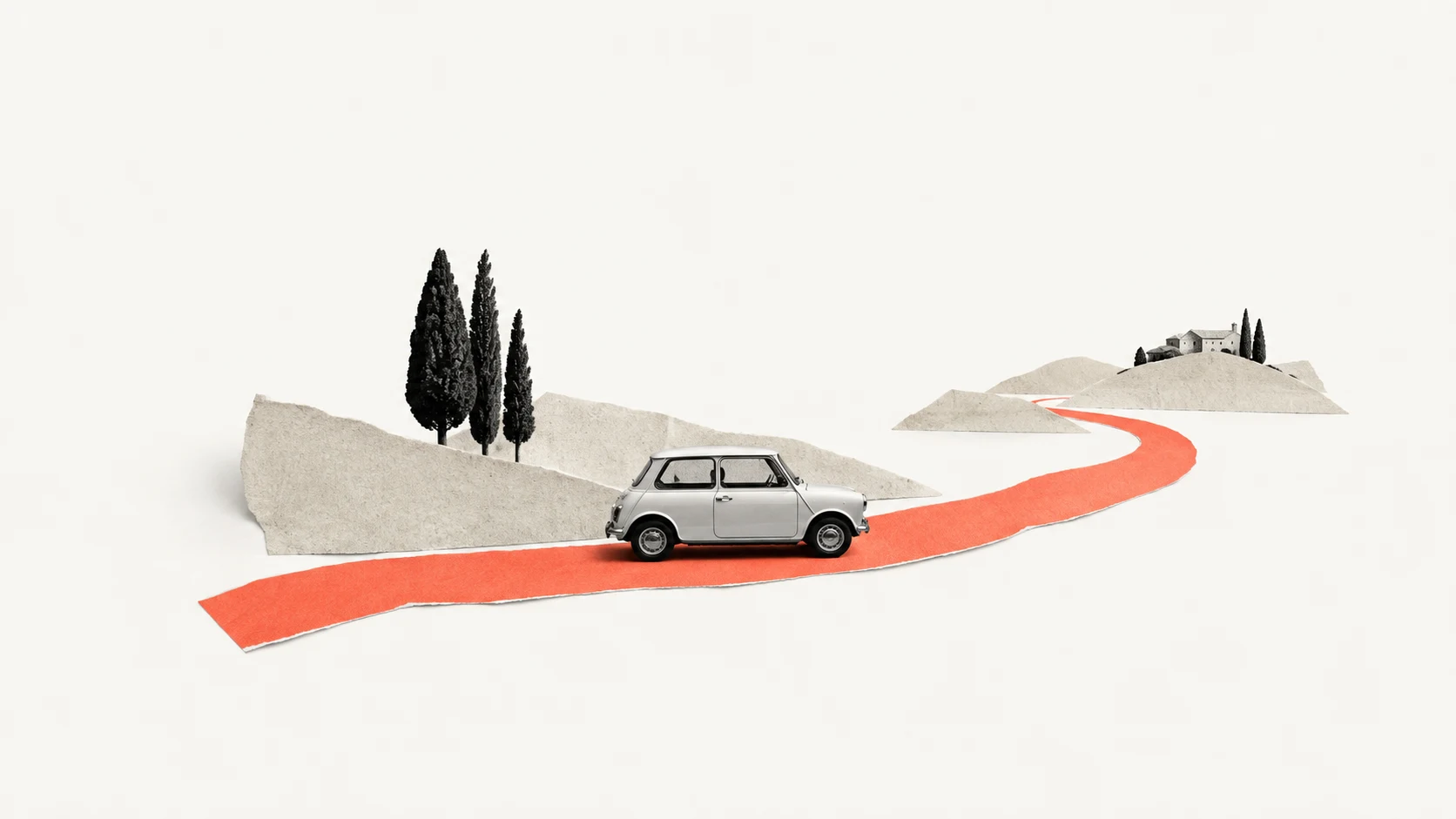
One of the most interesting things about Careem is how the conversation around it changed. An unfamiliar way to book a ride gradually became something people reached for without much thought.
As a communications professional, that shift interests me as much as the product itself. It shows how brand perception can move through uncertainty, curiosity and trial before becoming part of everyday behaviour.
This is my personal interpretation of the conversations around Careem, rather than a commissioned project or an account of its internal strategy. The dialogue below illustrates those changing attitudes; it is not survey data or a set of verified customer quotations.
1. The beginning: resistance to an unfamiliar idea
“Who gets into a car with a stranger?”
“I’m used to taxis. Why would I order a car?”
“It must be expensive.”
“Is it even licensed?”
The first barrier was familiarity. Ordering a ride through an app asked people to reconsider a routine they already understood. Questions about safety, legitimacy and cost sat alongside a simpler concern: why change?
From a brand communications perspective, this stage demands clarity. People need to understand what the service does, how it works and why trying it might make sense.
2. The early stage: curiosity meets social proof
“You ordered a ride through that new app?”
“Why should I download it?”
“Taxi drivers aren’t happy about it.”
“Do you think it will last?”
The conversation starts to change when someone familiar has tried the unfamiliar. A friend’s experience can make an abstract service feel more tangible. The questions remain, but now they sit alongside evidence that people nearby are using it.
That is why social proof matters in consumer adoption. A brand’s explanation and a friend’s recommendation serve different purposes: one introduces the offer; the other can make it easier to imagine using it.
3. The middle stage: trial becomes preference
“For a little extra, I’d rather order Careem.”
“There’s a promo code we can try.”
“Download it through my referral.”
“Why take a regular taxi?”
“Let’s go together and split the fare.”
At this point, people are comparing value and convenience, looking for offers and encouraging others to join. The discussion has moved beyond whether the concept makes sense. It is now about how to use it.
My reading is that incentives can help lower the barrier to a first trial, while a useful experience gives people a reason to return. A discount may start a relationship; repeated experiences shape whether it becomes a preference.
4. The recent stage: the brand enters everyday language
“No need to drop me off. My Careem is on the way.”
“Let’s check Careem for something to eat.”
“Send it through Careem.”
“I have some credit in my wallet.”
“Just add your card.”
What fascinates me is how ordinary these phrases sound. The brand no longer needs an explanation in every conversation. People use its name as shorthand for getting something done.
Careem’s own product information describes services spanning rides, food and payments, with availability varying by market. In my view, moving across those everyday needs makes the trust relationship more significant: people are choosing to let a familiar platform handle more parts of their day.
What Careem’s perception journey teaches us about branding
I see four useful lessons in this progression:
- Understand the hesitation. Before encouraging adoption, identify what makes the unfamiliar feel risky or unnecessary.
- Make the value tangible. Explain the service through the situations people recognise in their own lives.
- Let experience support the promise. Communication can encourage trial, but repeated interactions influence trust.
- Listen to everyday language. How people talk about a brand can offer clues about whether it feels unfamiliar, preferred or habitual.
This is not proof that one campaign caused a particular behavioural change. It is a way to look at the relationship between brand communication, customer experience and consumer habits.
When a company starts to feel like a familiar presence
Careem is still a company. Yet, in everyday conversation, it can feel more like a familiar presence: something people turn to when they need to go somewhere, order something or make a payment.
The most interesting shift is from “Why would I use this?” to “Of course I’ll use it.”
I would have loved to see that journey from the inside: the decisions, the listening and the work that helped an unfamiliar concept become part of everyday life. For anyone interested in brand strategy and consumer behaviour, it is a progression worth paying attention to.
My appreciation goes to the people behind that evolution.

Communications professional based in Amman, exploring brands, consumer behaviour and the language that connects them.